In the world of root vegetables, few topics spark as much confusion and concern as sprouting. Walk into any kitchen, and you’ll likely find a forgotten potato or taro root in the back of a pantry, sporting pale, tentative shoots reaching for the light. The immediate instinct for many is to question its safety, to wonder if this natural process of regeneration has rendered the food inedible or, worse, poisonous. The answer, as it turns out, is not a simple yes or no. It depends entirely on the vegetable in question, and the biochemical changes that occur within it. The common rule of thumb—that sprouted taro remains edible after trimming while sprouted potatoes are a hard avoid—is rooted in a fascinating and critical scientific distinction. It’s a lesson in plant biology, toxicology, and culinary wisdom that every home cook should understand.
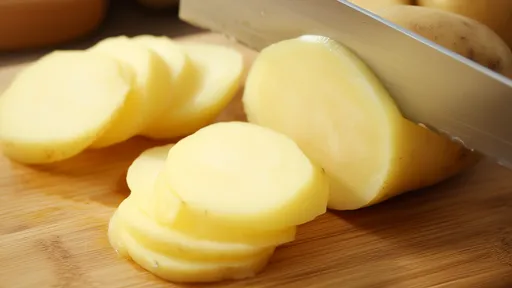
The humble potato, a staple in diets across the globe, belongs to the nightshade family, Solanaceae. This botanical group includes other popular foods like tomatoes, eggplants, and peppers, but also notoriously toxic plants like belladonna. The family is characterized by the production of specific defensive compounds called glycoalkaloids. In potatoes, the two primary glycoalkaloids are solanine and chaconine. These natural toxins are the plant's evolutionary defense mechanism against fungi, pests, and other predators. In a mature, unsprouted potato, the concentration of these compounds is typically low and concentrated just under the skin, posing no significant health risk to humans when the potato is properly prepared and consumed in normal quantities.
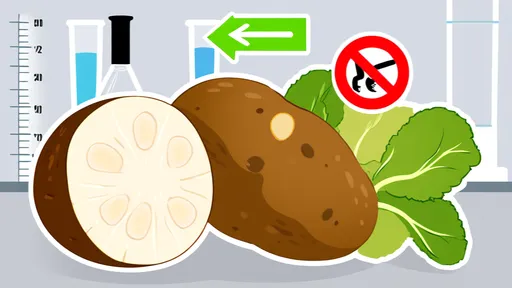
The problem begins with sprouting. When a potato starts to germinate, its entire biochemistry shifts to support the growth of the new plant. The tuber, which is essentially a storage organ, begins to mobilize its resources. Starch converts to sugar to feed the nascent sprouts, and crucially, the synthesis of solanine and chaconine increases dramatically. These toxins concentrate not only in the sprouts themselves but also in the skin and the flesh directly beneath it, particularly in areas that have turned green. This greening is caused by exposure to light, which triggers chlorophyll production and, simultaneously, a further spike in glycoalkaloid levels. The result is a potato that can contain dangerously high levels of these natural poisons.
Consuming high levels of potato glycoalkaloids leads to a condition known as solanine poisoning. Symptoms can appear within a few hours and include nausea, vomiting, diarrhea, stomach cramps, headache, dizziness, and in severe cases, neurological disturbances like hallucinations, paralysis, and even death from respiratory failure. While acute poisoning from commercially bought potatoes is rare due to modern agricultural controls, the risk is very real with potatoes that have been stored improperly for long periods, especially those that are heavily sprouted and show significant green discoloration. Peeling a green, sprouted potato deeply might remove some of the toxins, but there is no reliable, safe way for a home cook to know how much solanine has migrated into the flesh. The only prudent advice is to discard it entirely. The potential consequences simply outweigh the benefit of saving a single potato.
Now, let's turn our attention to taro. This starchy root vegetable, a cornerstone of cuisines across Asia, Africa, and the Pacific, presents a completely different story. Taro, from the plant Colocasia esculenta, is not a nightshade. It belongs to the Araceae family. Its primary defense is not a system of internal toxins like solanine, but rather an external weapon: calcium oxalate crystals. These microscopic, needle-sharp crystals, known as raphides, are found throughout the raw plant—in the roots, stems, and leaves. If ingested raw, these crystals embed themselves in the soft tissues of the mouth and throat, causing immediate and intense irritation, a painful burning sensation, and swelling. This is the body’s acute reaction to what it perceives as a physical attack.
This is where preparation becomes everything. The calcium oxalate crystals are highly water-soluble and are also broken down by heat. Proper cooking—boiling, baking, or steaming—completely neutralizes this defense mechanism, rendering the taro flesh safe, nutritious, and delicious. But what about when it sprouts? Unlike the potato, the act of sprouting in taro does not trigger the production of a new, more potent, or systemic toxin. The sprouting process consumes the starch in the corm, potentially making it less palatable and slightly softer, but it does not make it poisonous. The same rule applies: the calcium oxalate content remains the primary concern, and it is still effectively eliminated by thorough cooking.
This brings us to the practice of "topping" or "de-heading" the sprouted taro. The sprout itself, being a new growth, can have a particularly high concentration of calcium oxalate crystals. While cooking would neutralize them, the sprout is often woody, bitter, and unpleasant to eat. Therefore, the standard practice is to cut away the sprouted portion (the "head") along with any dried or fibrous parts of the corm. The remaining flesh, once peeled and cooked, is perfectly safe to consume. Its texture might be slightly compromised, its starch content slightly diminished, but its fundamental safety profile remains unchanged. It will not cause solanine-like poisoning because it never contained solanine to begin with.
Understanding this dichotomy is more than a piece of trivial kitchen knowledge; it's a matter of food safety. The difference lies in the very nature of the toxins involved. Potato glycoalkaloids are thermostable; they are not easily destroyed by cooking. Baking, frying, or boiling a toxic potato will not make it safe, as the solanine remains intact. Taro’s calcium oxalate, however, is effortlessly dissolved and deactivated by the same cooking processes. This is the core scientific reason behind the divergent advice. One toxin is a persistent chemical, the other a physical irritant that is easily removed.
This knowledge also invites a broader reflection on our relationship with food. For generations, this wisdom was passed down not through scientific journals but through oral tradition and lived experience. Grandmothers and cooks knew which sprouted vegetables could be salvaged and which had to be tossed onto the compost heap. They understood the signs—the green tinge on a potato was a warning, while a budding taro was simply a call to action with a knife. In our modern era, where we are often disconnected from the sources of our food, relearning these old lessons is crucial. It empowers us to reduce food waste intelligently and safely. A sprouted taro is an opportunity for a meal. A sprouted potato is an opportunity for caution.
In conclusion, the next time you encounter a sprouting root in your kitchen, pause and identify it. Let science, not suspicion, guide your hand. For the potato, tinged with green and cradling robust sprouts, the message is clear and non-negotiable: when in doubt, throw it out. The risks of glycoalkaloid poisoning are too significant to ignore. For the taro, with its familiar hairy skin and budding crown, the advice is equally clear: cut away the growth, cook it thoroughly, and enjoy. This simple, binary rule, grounded in robust plant biology, ensures that our kitchens remain both resourceful and safe havens of good health.
By /Aug 20, 2025
By /Aug 20, 2025

By /Aug 20, 2025
By /Aug 20, 2025

By /Aug 20, 2025
By /Aug 20, 2025
By /Aug 20, 2025
By /Aug 20, 2025

By /Aug 20, 2025
By /Aug 20, 2025
By /Aug 20, 2025
By /Aug 20, 2025
By /Aug 20, 2025

By /Aug 20, 2025

By /Aug 20, 2025
By /Aug 20, 2025
By /Aug 20, 2025
By /Aug 20, 2025

By /Aug 20, 2025
By /Aug 20, 2025
