The crisp autumn air takes on a sharper edge as the Cold Dew solar term settles in, a period in the traditional East Asian lunisolar calendar that typically begins around October 8th. This is not merely a poetic turning of the seasons; it is a physiological threshold. The name itself, "Cold Dew," hints at the transformation—morning dew begins to condense into cold droplets, a precursor to the frost that will soon follow. For the human body, this shift is far from superficial. It represents a significant environmental stressor, demanding a recalibration of our internal thermostats and a heightened state of awareness regarding our health. The gradual, gentle cooling of the early autumn gives way to more abrupt and significant temperature plunges, particularly overnight and in the early mornings. These sudden drops are the true health challenge of Cold Dew, catching many unprepared and triggering a cascade of potential health risks that extend well beyond the common cold.
The human body is a marvel of homeostasis, constantly working to maintain a stable internal environment despite external fluctuations. Our cardiovascular system is on the front lines of this regulatory battle. When ambient temperatures plummet, the body's first instinct is to conserve heat. Blood vessels near the skin's surface, known as peripheral vasoconstriction, narrow significantly to reduce blood flow and minimize heat loss. While this is an effective survival mechanism, it places an immediate and substantial strain on the heart. The heart must pump blood against greater resistance in these constricted vessels, leading to a rise in blood pressure. For individuals with pre-existing hypertension or other cardiovascular conditions, this sudden increase can be dangerous, potentially precipitating hypertensive crises, angina (chest pain), or even increasing the risk of heart attacks and strokes. The heart muscle itself, working harder and requiring more oxygen in the colder air, can become starved if the coronary arteries are narrowed by atherosclerosis, leading to cardiac events. This is not a theoretical risk; epidemiological data consistently shows a marked increase in cardiovascular morbidity and mortality during the colder months, with sharp temperature declines acting as a key trigger.
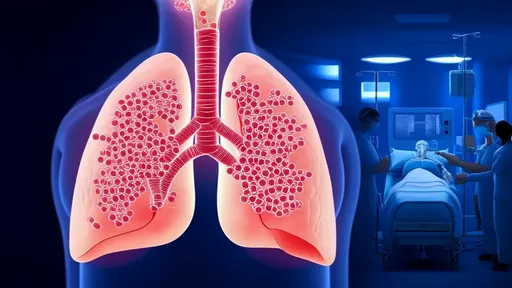
Simultaneously, the respiratory system faces its own onslaught. The air we breathe during Cold Dew is not only colder but often drier. Our nasal passages and airways are lined with a delicate mucous membrane that warms and humidifies the air before it reaches the lungs. Icy, dry air is harsh on this system. It can cause the airways to constrict and become inflamed, a particular problem for those with asthma or chronic obstructive pulmonary disease (COPD), often leading to exacerbations characterized by wheezing, shortness of breath, and coughing. Furthermore, the body's immune response in the respiratory tract can be slightly suppressed in colder conditions. Ciliated cells, which act like tiny brooms to sweep pathogens and debris out of the airways, become less active. This creates a window of opportunity for viruses like influenza and the common cold rhinovirus to establish an infection more easily. The tendency for people to congregate indoors in poorly ventilated spaces as the weather turns cold only amplifies the risk of transmission, creating a perfect storm for respiratory illnesses.
The risks extend into the realm of musculoskeletal health. Cold temperatures cause muscles to lose heat and contract, leading to tension and reduced flexibility. This makes muscles and joints more susceptible to strains and injuries, especially during physical activity that hasn't been preceded by a thorough warm-up. For individuals suffering from chronic inflammatory conditions like arthritis, the drop in barometric pressure that often accompanies cold fronts can cause a noticeable increase in joint pain and stiffness. The theory is that lower air pressure allows tissues to expand slightly, putting pressure on already-sensitive nerves in the joints. The result is often a palpable ache that serves as a personal barometer for those affected, signaling the arrival of a cold snap before the weather forecast does.
Perhaps one of the most underestimated threats is that of seasonal affective disorder and general mood deterioration. The shorter days and longer nights of autumn, combined with the grey, chilly weather, can significantly impact mental well-being. Reduced exposure to sunlight disrupts our circadian rhythms and lowers the production of serotonin, a neurotransmitter that contributes to feelings of happiness and well-being. This chemical shift can lead to feelings of lethargy, depression, and irritability. The physical discomfort of the cold and the social isolation that sometimes comes with staying indoors can compound these feelings, creating a significant burden on mental health that is as real and pressing as any physical ailment.
So, how does one navigate the health minefield of the Cold Dew season? The answer lies in a proactive and layered strategy centered on adaptation and prevention. The most fundamental rule is to dress appropriately for the temperature, not the calendar. Layering is key. A base layer of thermal or moisture-wicking material, an insulating middle layer like wool or fleece, and a windproof and waterproof outer shell provide maximum flexibility to adapt to changing conditions throughout the day. It is crucial to pay special attention to protecting the extremities—the head, hands, and feet—as a disproportionate amount of body heat is lost from these areas. A warm hat, gloves, and insulated socks are non-negotiable items.
Dietary adjustments can also serve as internal armor against the cold. This is the time to shift away from cold salads and raw foods toward warming, cooked meals. Soups, stews, and porridges are excellent choices, providing both warmth and hydration. Incorporating spices like ginger, cinnamon, and garlic can stimulate circulation and generate a feeling of internal warmth. It is also wise to include ample protein and healthy fats in the diet, as the body burns more calories to maintain its core temperature in a cold environment. Staying well-hydrated is equally important; the dry air can lead to insensible fluid loss, and the sensation of thirst may be less pronounced than in the summer heat.
Moderate physical activity is a powerful tool, but its application requires wisdom. Exercise generates body heat and improves circulation, helping to counteract the cardiovascular strain of the cold. However, it is paramount to warm up thoroughly indoors before braving the cold, and to consider moving workouts inside on particularly frigid or windy days. For those who exercise outdoors, breathing through a scarf or mask can help warm the air before it enters the lungs, reducing respiratory irritation. Maintaining a consistent sleep schedule and seeking out sunlight whenever possible, even for a short midday walk, can work wonders for regulating mood and staving off the symptoms of seasonal affective disorder.
Finally, for the most vulnerable populations—the elderly, the very young, and those with chronic health conditions—vigilance must be even greater. Their bodies are less able to regulate temperature and respond to the stresses of a sudden chill. Regular monitoring of blood pressure for hypertensive patients, having a ready supply of necessary medications like inhalers for asthmatics, and ensuring living spaces are adequately heated are critical preventative measures. A simple check-in on elderly neighbors or relatives during a cold snap can be a lifesaving gesture.
The Cold Dew season is a time of profound natural beauty, as leaves turn to fire and the air becomes clear and invigorating. Yet, beneath this beauty lies a real and present challenge to our health. By understanding the specific mechanisms through which the cold affects our bodies—from our hearts and lungs to our joints and minds—we can move beyond mere endurance and into a state of empowered resilience. It is a time not for fear, but for mindful preparation and a deepened awareness of the intimate connection between our well-being and the world we inhabit. Embracing this knowledge allows us to not only survive the seasonal transition but to find vitality and wellness within it.
By John Smith/Oct 14, 2025

By /Oct 14, 2025

By Ryan Martin/Oct 14, 2025

By Megan Clark/Oct 14, 2025
By /Oct 14, 2025

By /Oct 14, 2025

By /Oct 14, 2025
By Benjamin Evans/Oct 14, 2025

By /Oct 14, 2025

By Thomas Roberts/Oct 14, 2025

By /Oct 14, 2025

By /Oct 14, 2025

By Thomas Roberts/Oct 14, 2025

By /Oct 14, 2025

By Daniel Scott/Oct 14, 2025

By Amanda Phillips/Oct 14, 2025

By /Oct 14, 2025

By /Oct 14, 2025

By /Oct 14, 2025

By /Oct 14, 2025
